

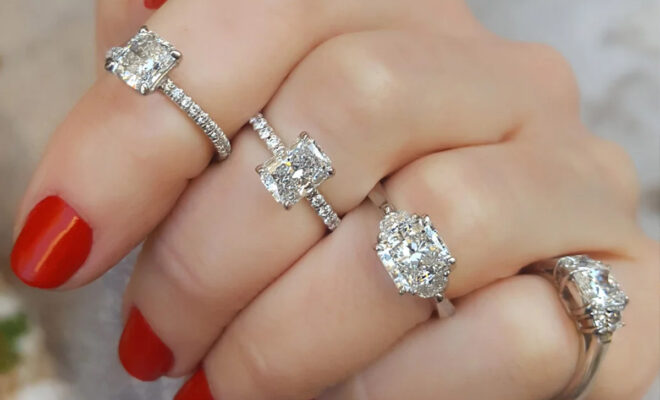
TOP 10 Things You Should Know About Diamonds Before Popping the Question
With so many diamonds, shapes, and styles to explore, finding the right ring involves more than simply choosing a beautiful stone. In this diamond engagement ring guide, Oster Jewelers shares the top 10 things to know about diamonds before buying a diamond engagement ring in Denver and beyond.
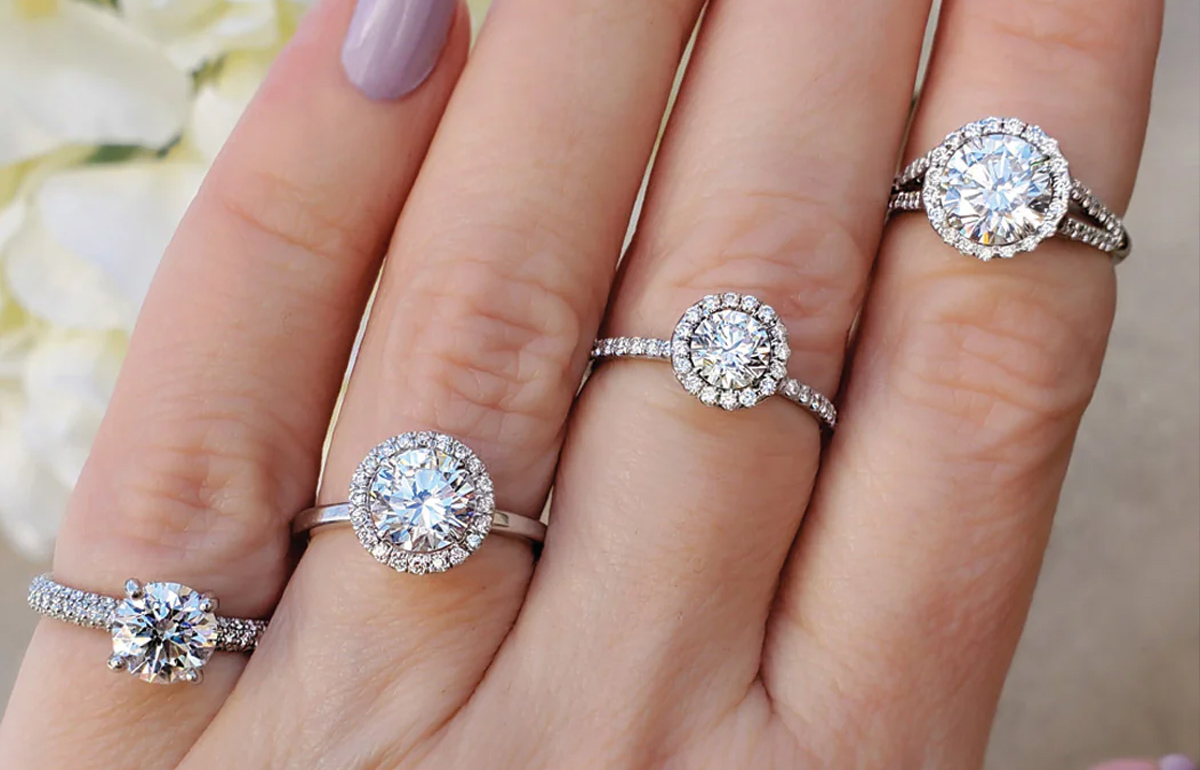
▼ TOP 10 THINGS TO KNOW ABOUT DIAMONDS: Q&A Shortcut
1. What Are the 4 Cs & Why Are They Important?
2. Why Does Diamond Cut Matter More Than You Think?
3. How Is a Diamond’s Cut Different From Its Shape?
4. Want a Bigger Looking Diamond? Which Shapes Are Best?
5. What Impact Does a Diamond’s Color Have on Its Value?
6. Are There Any Reasons You Should Choose Warmer Toned Diamonds?
7. What Do Diamond Clarity Grades Actually Mean?
8. How Does Carat Weight Differ From Diamond Size?
9. What Impact Does the Ring Setting Have?
10. How to Ultimately Decide on a Ring?
1. What Are the 4 Cs & Why Are They Important?
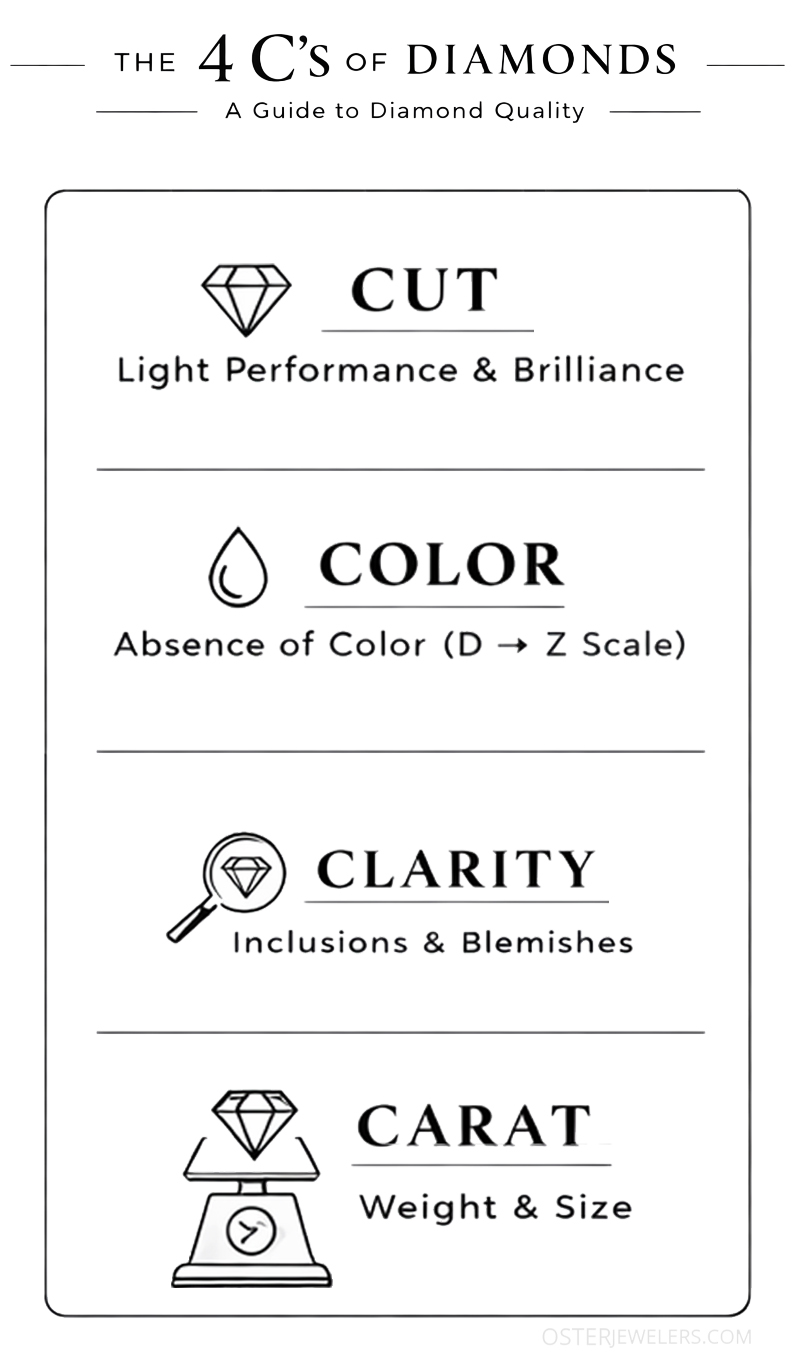
Choosing a diamond engagement ring starts with understanding the 4 Cs: cut, color, clarity, and carat weight. Developed by the Gemological Institute of America (GIA), this grading system provides a standardized way to evaluate diamond quality. Each characteristic influences a diamond’s appearance, rarity, and value. Together, they help shoppers compare diamonds and make informed purchasing decisions.
Introduced in the 1940s, the 4 Cs are important because they established a shared language for the international diamond trade. Today, they remain an essential starting point for anyone shopping for diamond engagement rings. Understanding how these characteristics work together helps you find a diamond that suits your preferences and budget. Whether you’re planning a surprise Denver proposal or making the decision together, knowing the 4 Cs is your first step in understanding the world of diamonds.
2. Why Does Diamond Cut Matter More Than You Think?
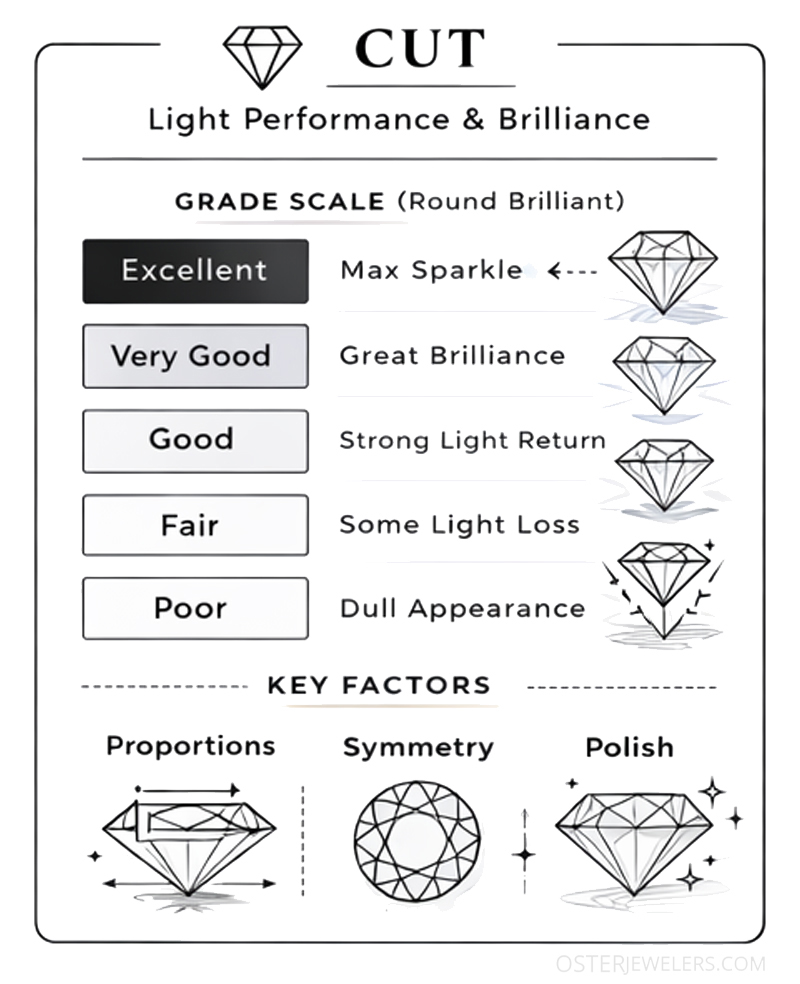
A diamond’s cut matters because it influences how effectively a stone captures and reflects light. It refers to the diamond’s proportions, facet arrangement, symmetry, and polish. A well-cut diamond can display exceptional brilliance, colorful flashes called fire, and lively sparkle. However, even a large diamond can appear dull if its cut lacks precision. That’s why cut deserves careful consideration when comparing diamond engagement rings.
The GIA grades the cut quality of standard round brilliant diamonds on a scale from Excellent to Poor. Excellent-cut diamonds generally offer strong light performance, while Very Good options can also deliver impressive sparkle. However, cut quality isn’t simply about choosing the highest available grade. The diamond’s overall appearance matters, too. When shopping for Denver engagement rings, compare stones in person whenever possible. This helps you appreciate their individual brilliance before making your decision.
3. How Is a Diamond’s Cut Different From Its Shape?
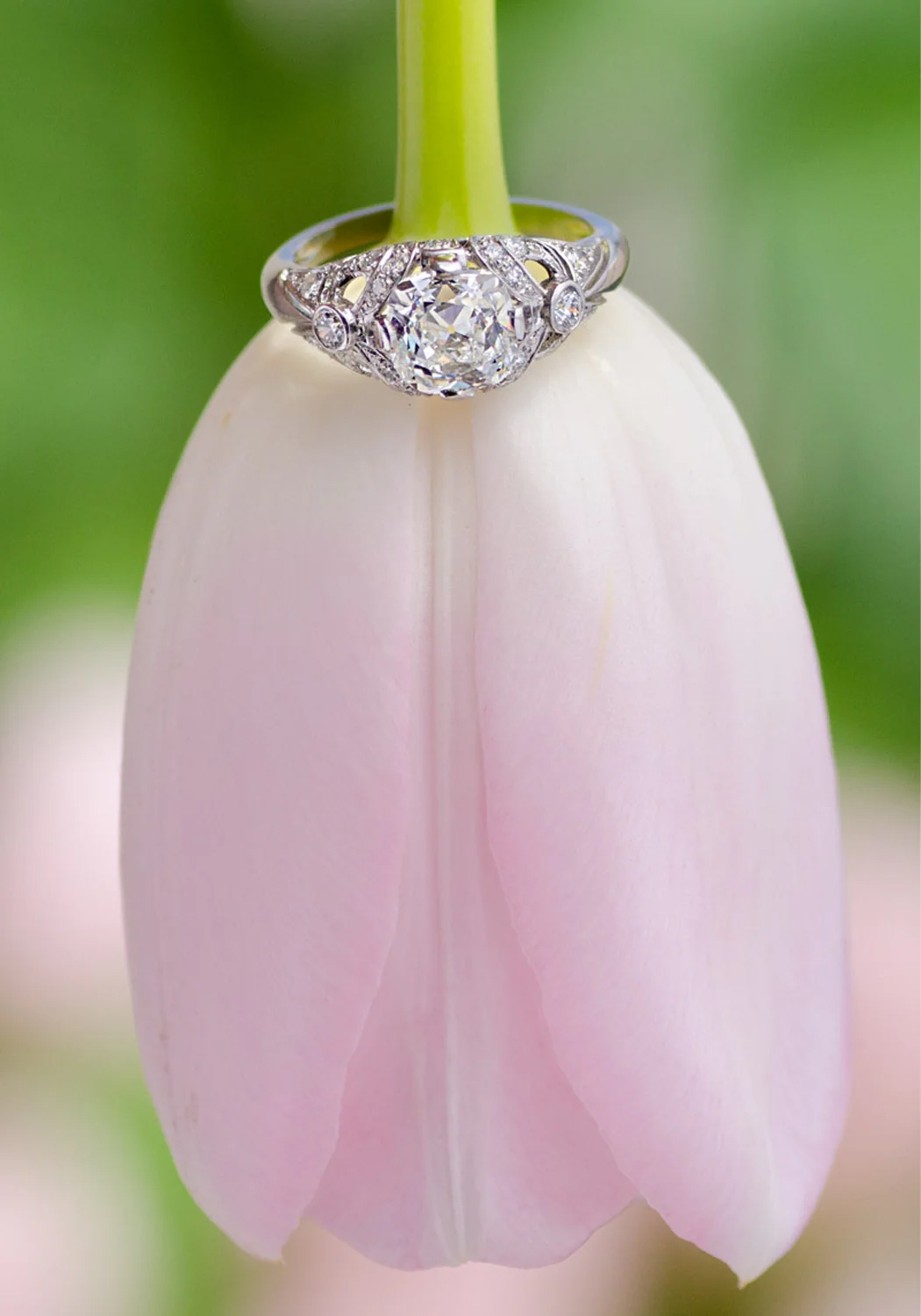
Diamond shape describes the stone’s physical outline, while cut refers to its proportions, facets, and overall craftsmanship. Round, oval, pear, marquise, emerald, and cushion are popular diamond shapes. Each creates a distinct silhouette and visual effect. Meanwhile, cut influences how effectively a diamond interacts with light, affecting its brilliance, fire, and sparkle. Understanding this distinction makes it easier to compare different diamond engagement ring styles.
The GIA’s overall cut grading scale applies to standard round brilliant diamonds, not fancy shapes. Fancy-shaped diamonds still require careful evaluation of their proportions and light performance. Their beauty also depends on color, clarity, and the individual stone’s characteristics. If you’re exploring alternatives to traditional round diamonds, consider the variety of fancy-shaped engagement rings at Oster Jewelers.
4. Want a Bigger Looking Diamond? Which Shapes Are Best?
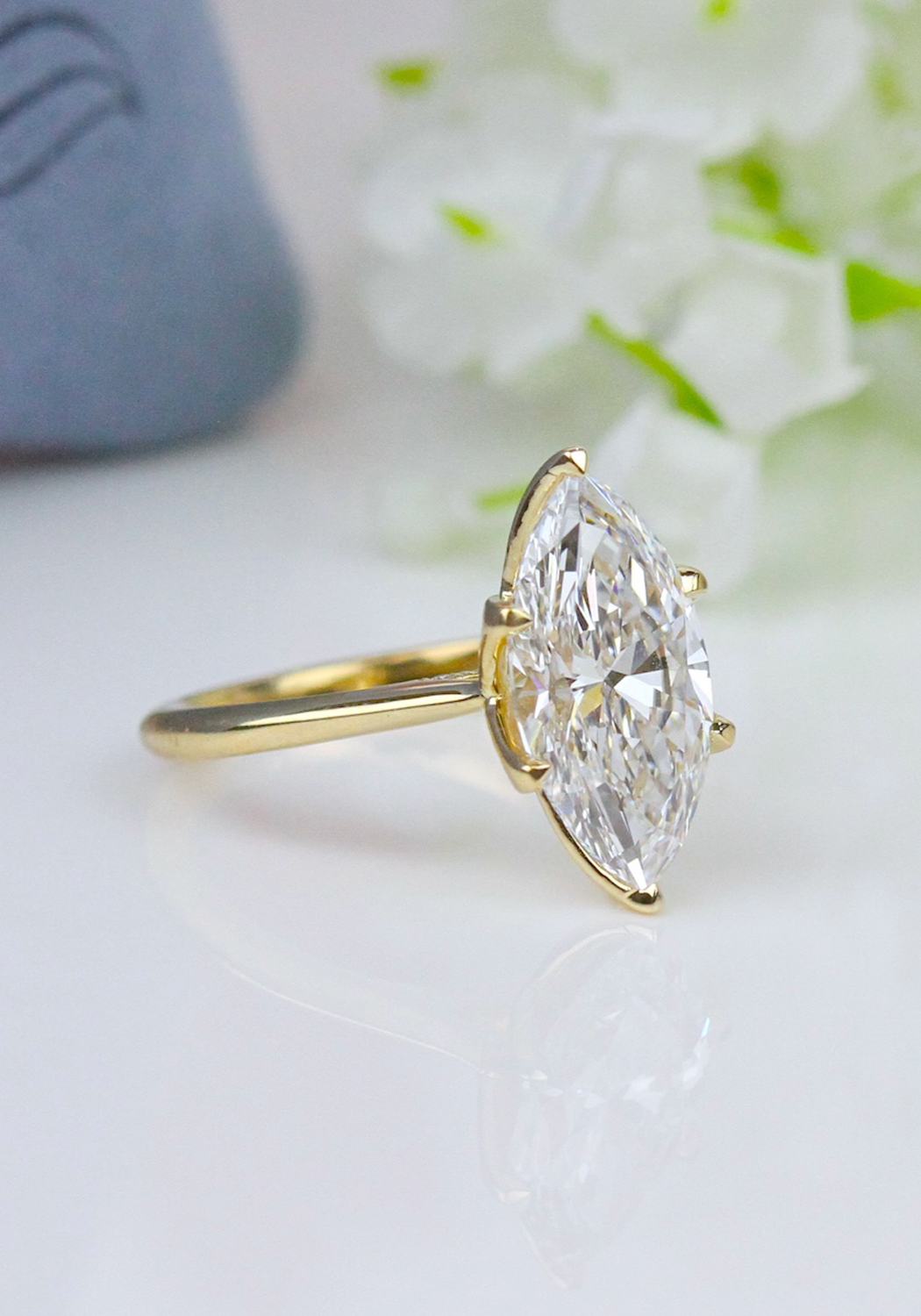
If you’re prioritizing size, diamond shape can make a noticeable difference. Elongated shapes, including oval, pear, and marquise, often appear larger than round diamonds of equal carat weight. Their extended outlines can create greater finger coverage. However, actual dimensions depend on each diamond’s proportions and cut. This makes comparing measurements just as important as comparing carat weights.
These shapes can create a striking appearance without requiring a higher carat weight. However, appearance and pricing vary between individual diamonds. Consider how the stone’s outline complements the wearer’s hand and preferred setting. Exploring different diamond shapes at Oster Jewelers can help you find an engagement ring that balances visual impact and budget.
5. What Impact Does a Diamond’s Color Have on Its Value?
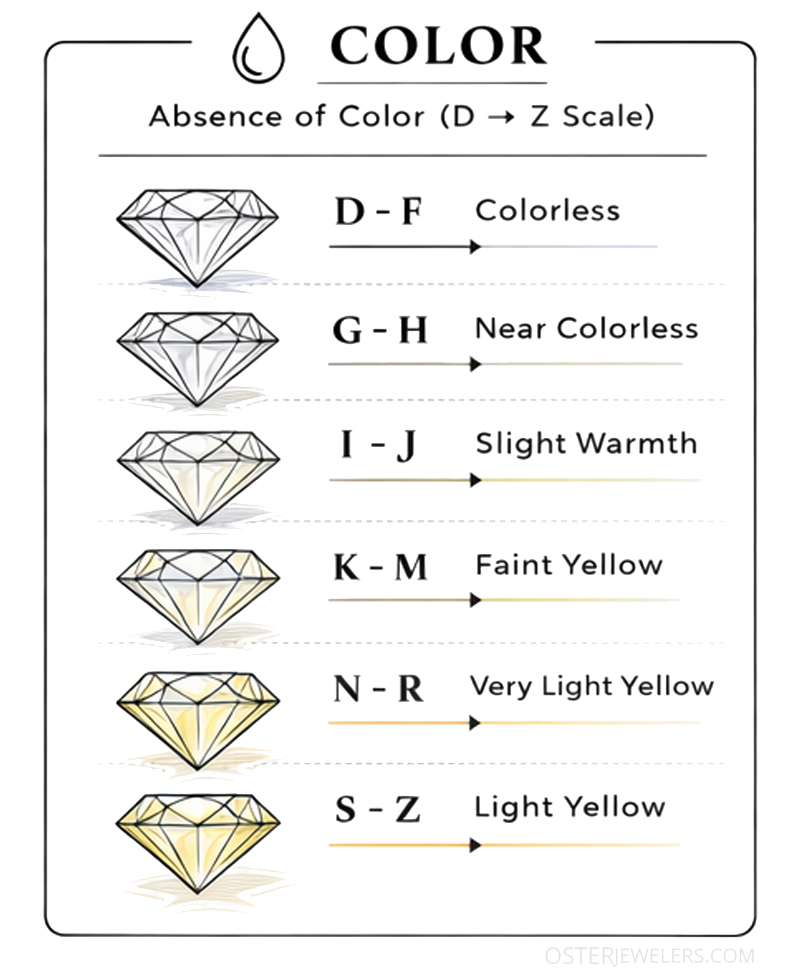
Diamond color grading evaluates how much color a stone displays, rather than how colorful it is. The GIA’s D-to-Z scale measures the absence of color in white diamonds. D represents colorless, while progressively higher grades may display increasingly noticeable yellow or brown tones. Colorless diamonds generally command higher prices, although other characteristics also influence value.
Diamonds in the near-colorless G-to-J range can offer an appealing balance of appearance and price. However, the best choice depends on the individual stone and its setting. Platinum and white gold can emphasize subtle warmth, while yellow gold may complement it. Comparing diamonds side by side can reveal differences that grading letters alone don’t capture. Whether shopping for Denver diamond engagement rings or browsing online, consider how the diamond looks in its intended setting.
6. Are There Any Reasons You Should Choose Warmer Toned Diamonds?
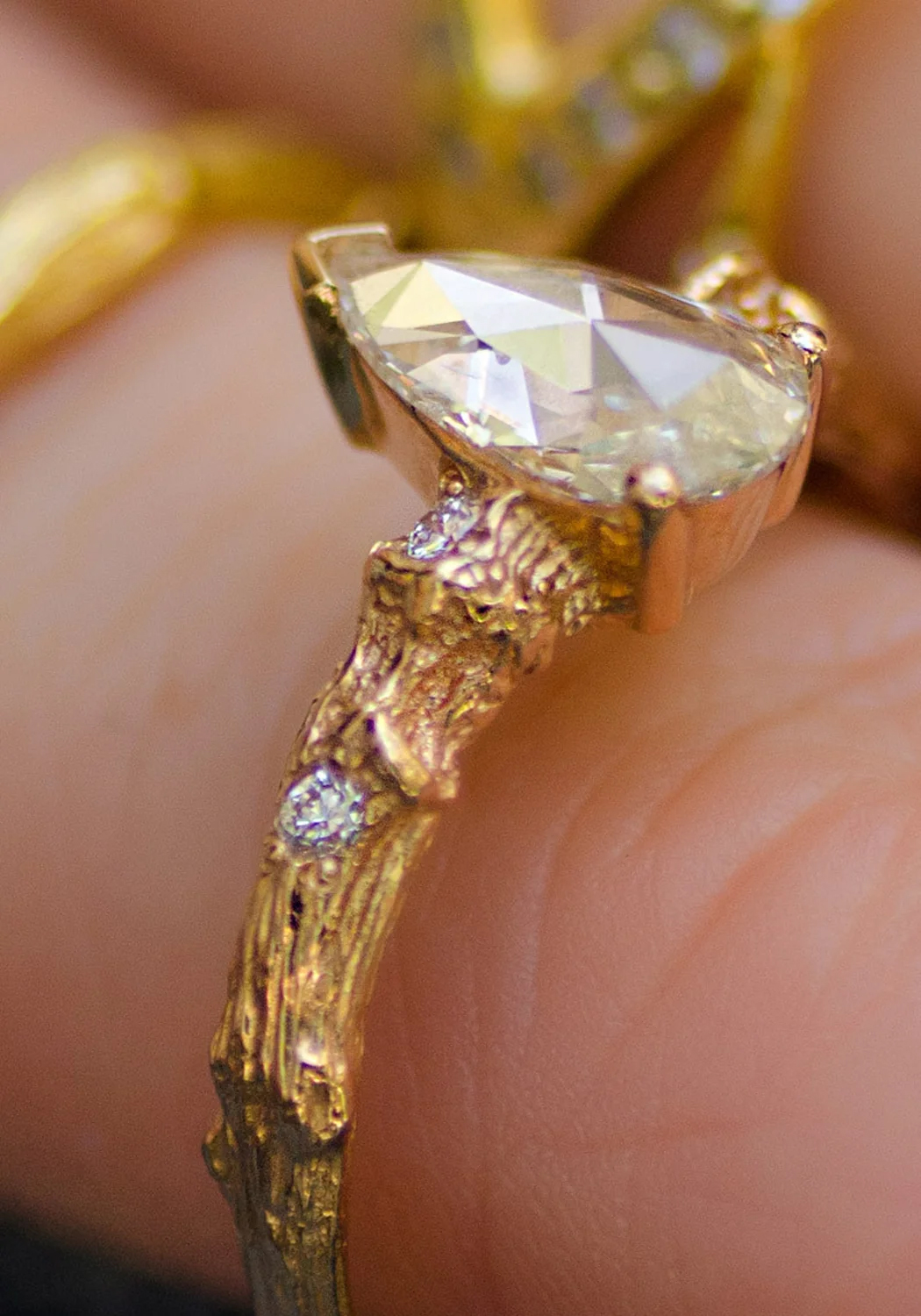
Absolutely. Diamonds with warmer tones can offer distinctive beauty, especially when paired with yellow or rose gold. Their subtle warmth may complement the overall design of an engagement ring. Additionally, some shoppers prefer warmer diamonds for their character and individual appearance. A lower color grade doesn’t automatically make a diamond less appealing.
Fancy-color diamonds offer another way to personalize an engagement ring. Unlike white diamonds graded on the D-to-Z scale, fancy-color diamonds receive separate evaluations based on characteristics such as hue, tone, and saturation. Natural fancy colors include pink, blue, yellow, grey, and green. Some colors are exceptionally rare, while others are more accessible. Whether you prefer a subtle champagne hue or a vivid statement stone, consider how color reflects your partner’s personal style.
7. What Do Diamond Clarity Grades Actually Mean?
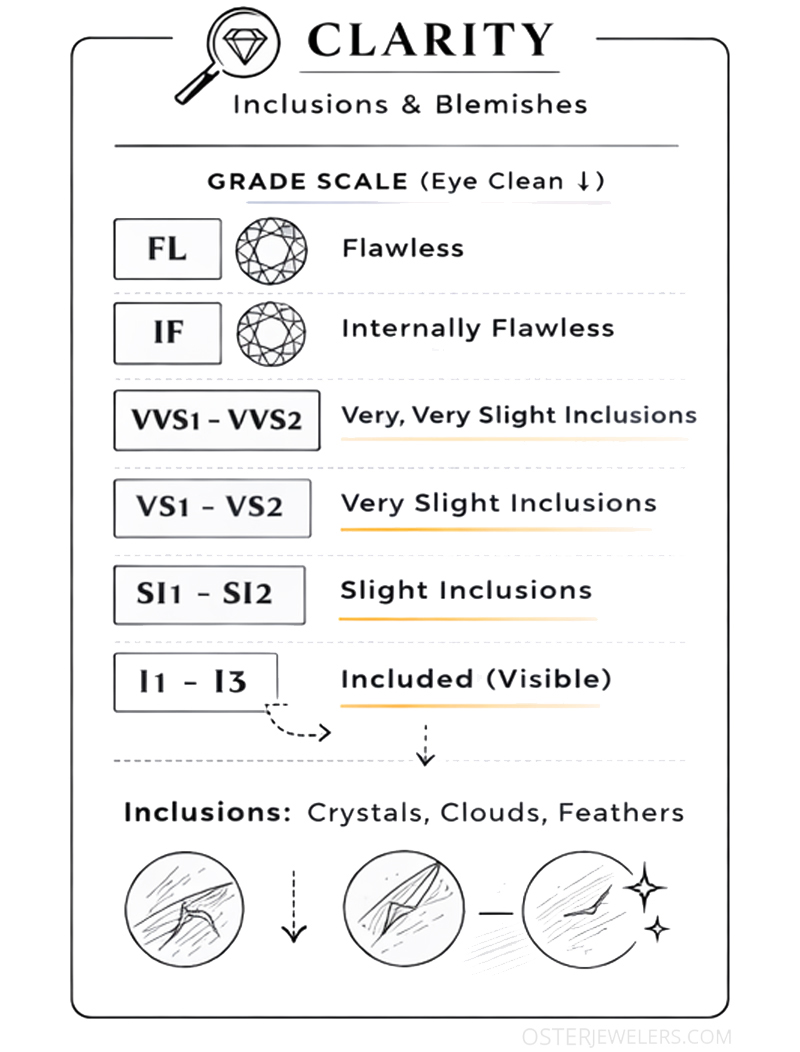
Diamond clarity measures the presence and visibility of internal inclusions and external blemishes. These characteristics typically form during a diamond’s natural growth. The GIA clarity scale ranges from Flawless (FL) to Included (I1, I2, and I3). Between these grades are Internally Flawless, VVS, VS, and SI categories. Flawless diamonds are exceptionally rare, but lower grades can still deliver beautiful results.
Clarity influences a diamond’s appearance, transparency, and sometimes durability. However, many inclusions remain invisible without magnification. For this reason, shoppers often prioritize eye-clean diamonds rather than the highest possible grade. Inclusion size, location, and type also matter. For example, emerald-cut diamonds’ open facets can make inclusions easier to notice. Certain inclusions near the edges may also require additional durability assessment. When comparing diamond engagement rings, examine clarity alongside the stone’s overall appearance. This approach can help you find a beautiful diamond without overspending on microscopic perfection.
8. How Does Carat Weight Differ From Diamond Size?
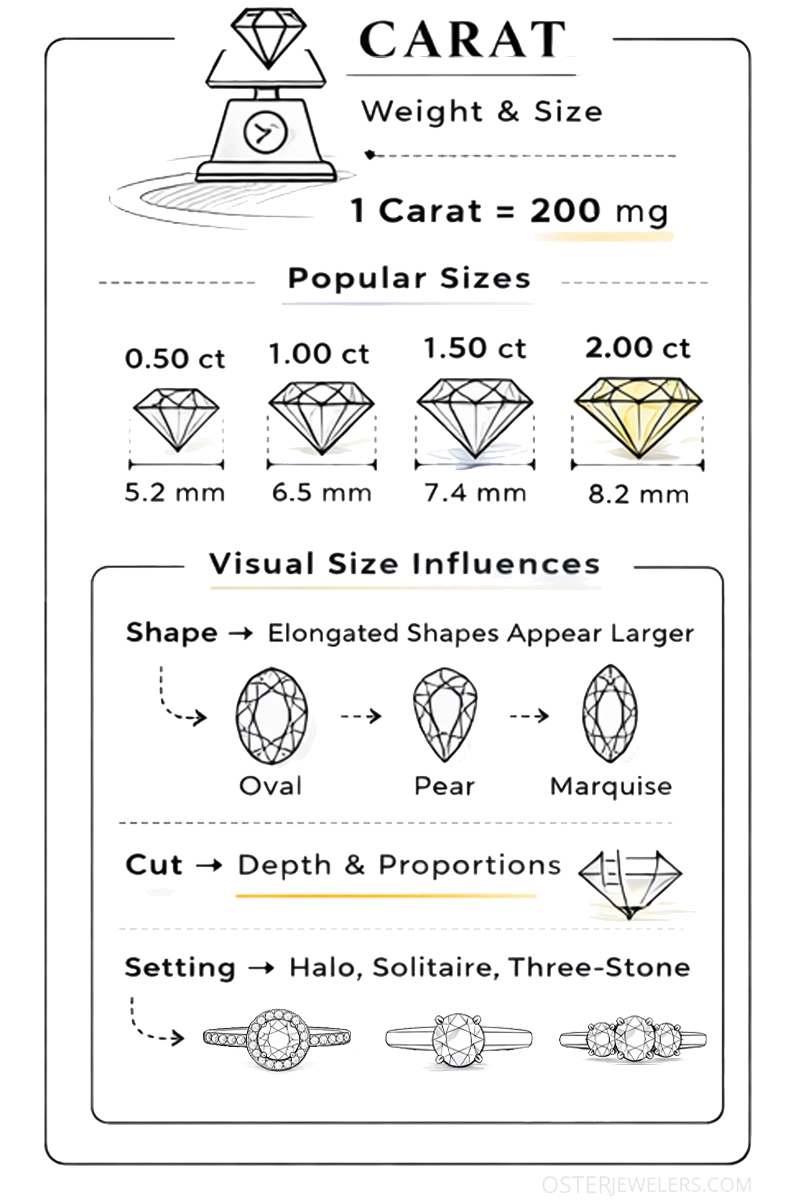
Carat measures a diamond’s weight, not its physical size. One carat equals 200 milligrams, or 0.2 grams. Although larger diamonds often command higher prices, carat weight alone doesn’t determine how large a stone looks. Shape, proportions, and setting can all influence its visible dimensions. Therefore, two diamonds with identical carat weights may appear noticeably different.
When choosing a diamond engagement ring, consider carat alongside cut, color, and clarity. A slightly lighter diamond may offer greater visual coverage or more appealing light performance. Meanwhile, a higher-carat stone may better suit someone who prefers a substantial center diamond. Ultimately, the goal is finding the right balance between appearance, quality, and your budget.
9. What Impact Does the Ring Setting Have?
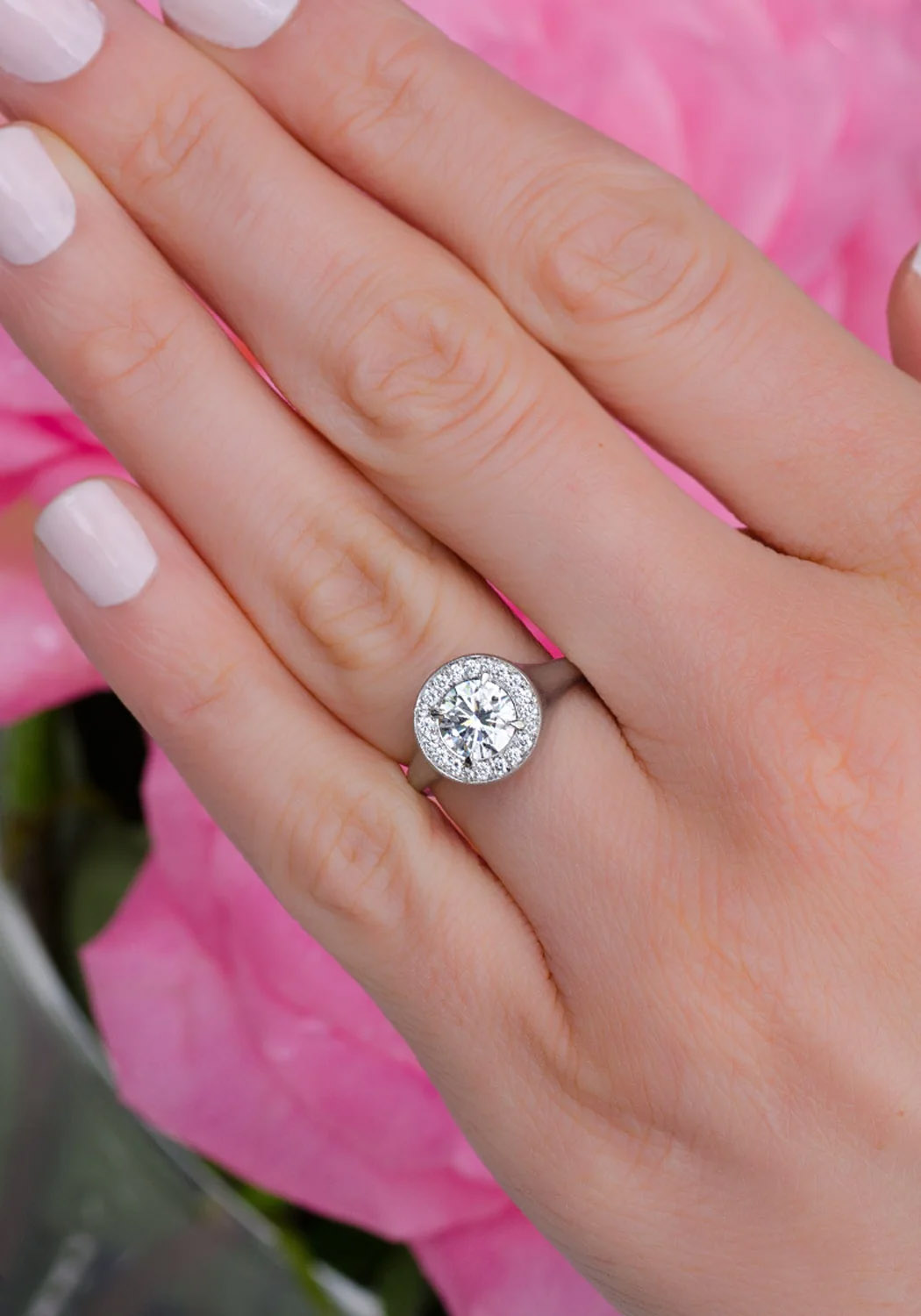
The engagement ring setting influences the diamond’s appearance, protection, and overall style. Solitaire settings keep the focus on the center stone, while halos can create the impression of a larger diamond. Bezel settings surround the diamond with metal, offering a different look and additional protection around its edges. Meanwhile, prong settings allow more light to reach the stone. Each design creates a distinct balance between appearance and practicality.
Lifestyle should also influence your setting choice. Active routines or frequent hands-on activities may make lower-profile designs more practical. Intricate settings can require additional cleaning and maintenance. Prongs may need periodic inspection, while certain designs can involve more complex repairs. Consider your partner’s daily routine alongside their aesthetic preferences. At Oster Jewelers, exploring different engagement ring settings can help you find a design that suits both their style and lifestyle.
10. How to Ultimately Decide on a Ring?
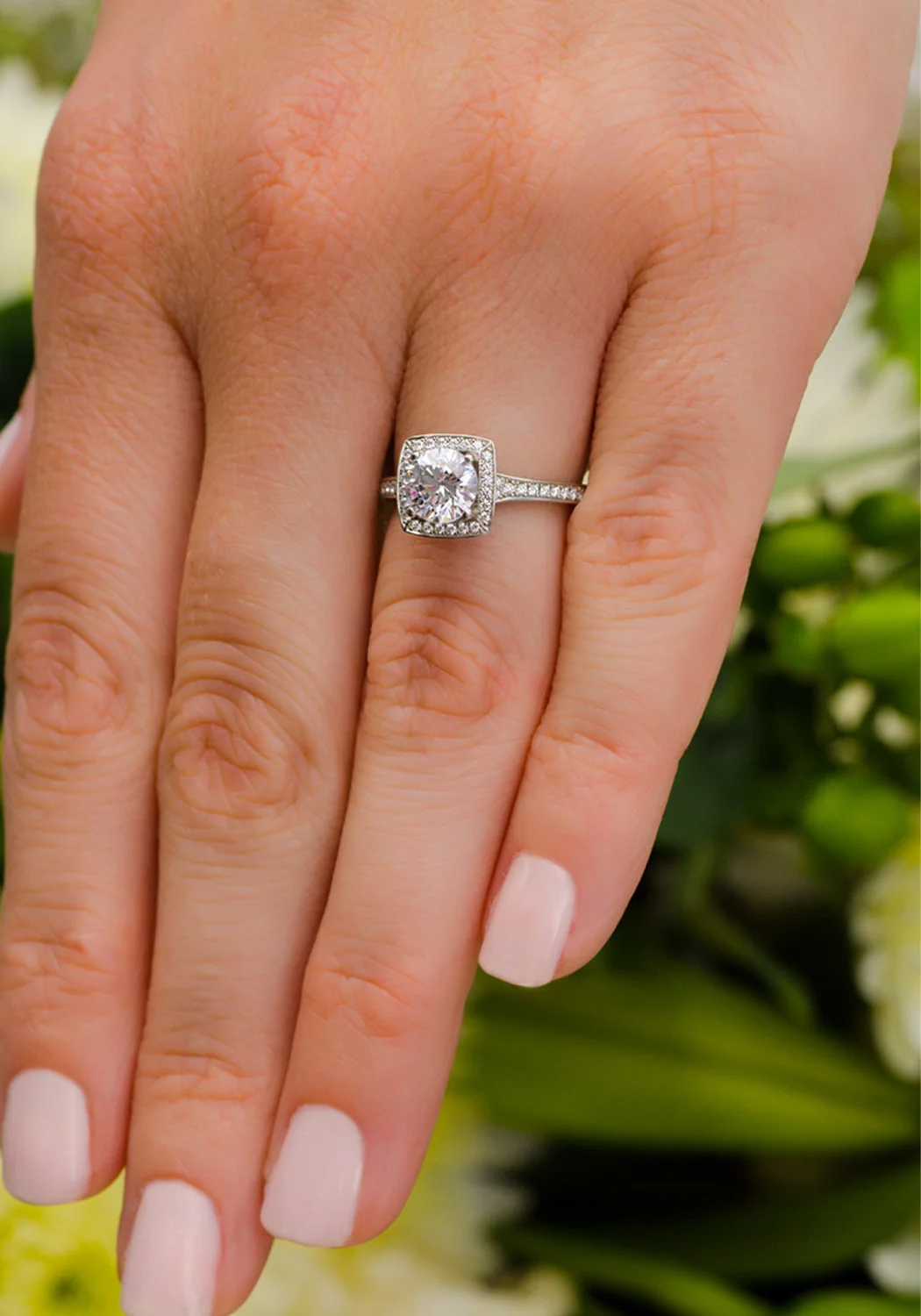
At the end of the day, the right engagement ring reflects the person who will wear it. Consider their jewelry preferences, everyday style, and favorite metals. Pay attention to whether they prefer classic solitaires, vintage-inspired details, or contemporary designs. Their preferred diamond shape and setting can also help narrow your options. The most meaningful ring is one that celebrates your relationship and feels right for the person wearing it. Many couples now also prefer to shop together, making the decision a shared experience. You can still preserve the surprise by discussing preferences beforehand or choosing the ring together afterward. After all, the ring should feel personal rather than follow a generic checklist.
Choosing a diamond engagement ring is an exciting milestone, but knowing where to start can feel overwhelming. Whether you’re beginning your search or preparing to pop the question, understanding these essentials can make all the difference. Explore our website to start shopping more comfortably now, or visit us in Cherry Creek North to personalize your experience today.
EXPLORE THE ENGAGEMENT RING COLLECTION
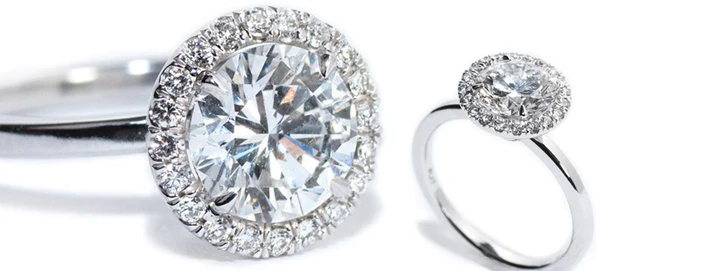
Shop the Bridal Collection at Oster Jewelers
Never Miss an Update
Add Osterjewelers.com as a Preferred Source on Google to see more of Oster Jewelers content in AI Overviews
Make Oster your Preferred Source for luxury jewelry and independent watches.





You must be logged in to post a comment Login